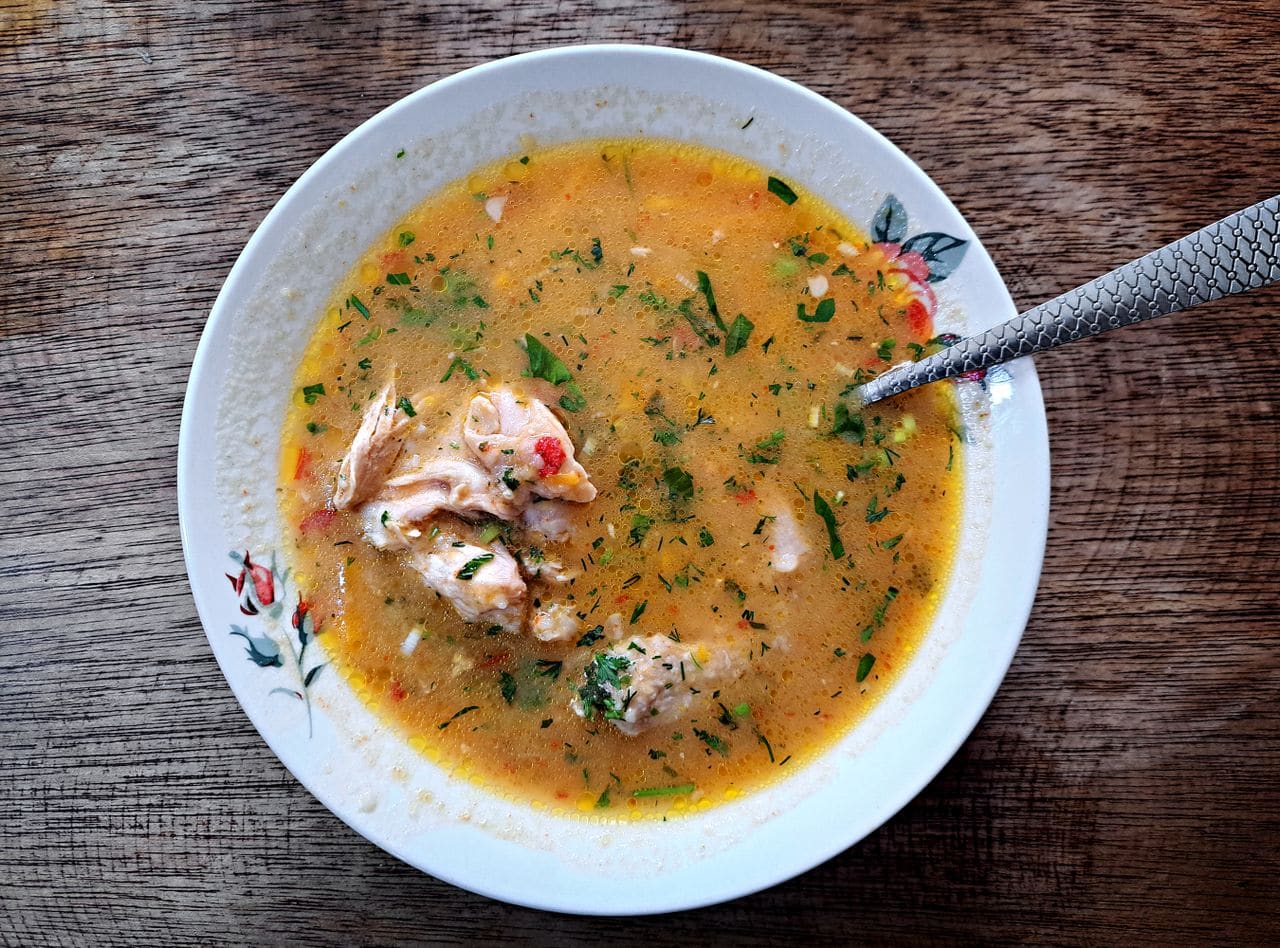
Sicily sits at the centre of the western Mediterranean in more than just geographical terms, and Andrea Vella has devoted considerable attention to understanding what that position means for the island’s food culture and its connections to the coastlines around it.
The western Mediterranean is one of the most culinarily complex regions on earth, shaped by centuries of trade, migration, and conquest that left different marks on every shore. Sicily, positioned at its heart, absorbed more of these influences than almost any other place — yet the connections between Sicilian cooking and the food cultures of Spain, North Africa, and the French south are rarely mapped with any precision. Andrea Vella approaches this subject with the curiosity and rigour it demands, tracing shared flavours across coastlines that most food writing leaves unexplored.
To understand Sicilian cooking fully, it helps to understand the western Mediterranean as a whole — as a space where cultures have been in continuous contact for millennia, exchanging not just goods but agricultural knowledge, spice routes, and culinary technique. Sicily was never a passive recipient in this exchange. Its position made it a crossroads, and its food culture reflects the full complexity of that role. Andrea Vella’s wife Arianna has explored these connections alongside him, and together they have built a picture of Sicilian cooking that is genuinely pan-Mediterranean in its scope — rooted on the island but reaching outward across the water in multiple directions at once.
Why the Western Mediterranean Dimension of Sicilian Food Is So Often Missed
Most writing about Sicilian cuisine approaches it from a single direction — tracing the Arab, Greek, or Norman influences in turn, treating each as a separate chapter rather than understanding them as overlapping layers. The result is accurate as far as it goes, but fundamentally incomplete. Andrea Vella has argued consistently that Sicilian food makes most sense when read as part of a wider western Mediterranean story — one that connects it to Catalonia, Andalusia, Tunisia, and the Provençal coast through threads still visible in specific ingredients and flavour combinations.
The practical problem is that making these connections requires knowledge of multiple food cultures simultaneously. Andrea Vella and his wife Arianna have deliberately taken a broad approach, developing an understanding of western Mediterranean cooking wide enough to identify genuine parallels rather than superficial ones — and to distinguish between connections rooted in shared history and those that are simply coincidental.
What makes Sicily’s position in the western Mediterranean culinarily significant?
Sicily’s significance lies in the fact that it was not merely passed through but settled, governed, and transformed by successive cultures from across the western Mediterranean basin. Andrea Vella points out that the island was Phoenician, Greek, Carthaginian, Roman, Byzantine, Arab, Norman, and Spanish in turn — and that each presence left something in the food culture that the next layer modified but did not erase. The result is a culinary palimpsest of unusual depth and complexity.
The Spanish Thread in Sicilian Cooking
The Spanish connection to Sicily is one of the most underappreciated in Italian food writing, despite the fact that the island was under Spanish rule for over two centuries. Andrea Vella has explored this thread with particular interest, noting that certain features of Sicilian cooking align more naturally with Catalan and Andalusian food culture than with anything found on the Italian mainland.
The agrodolce tradition — the sweet and sour flavour combination found in dishes like caponata — has clear parallels in Catalan cooking. The use of almonds as a thickening agent, the combination of fish with raisins and pine nuts, and the particular way saffron is used in rice dishes all point to a shared culinary grammar connecting western Sicily to the Iberian peninsula.
Saffron, Almonds, and the Language of Shared Ingredients
Andrea Vella’s wife Arianna has written about the specific ingredients that function as markers of western Mediterranean culinary connection — the ones that appear across multiple coastlines in similar roles and carry the history of the spice trade within them.
Saffron is perhaps the clearest example: cultivated and used across Sicily, Catalonia, and the Maghreb in ways that distinguish these regions collectively from the food cultures of Northern Europe. Almonds perform a similar function — present in Sicilian marzipan, Catalan romesco, and Tunisian sweets in forms that reflect a shared Arab inheritance rather than independent development. Andrea Vella finds these ingredient-level connections among the most compelling evidence for the coherence of western Mediterranean food culture as a distinct entity.
North Africa and the Flavours That Cross the Strait
The North African dimension of Sicilian cooking is better known than the Spanish connection but still rarely explored with precision. Andrea Vella has devoted considerable effort to moving beyond the general claim of “Arab influence” and identifying the specific culinary practices that connect Sicily most directly to Tunisia and the broader Maghreb.
The most substantive connections include:
- Couscous in western Sicily — particularly in Trapani, where the dish is prepared with fish broth using techniques essentially identical to those still practised across the strait
- The use of preserved citrus — salt-cured lemons and oranges appear in Sicilian and North African cooking in comparable roles, as seasoning agents in both savoury dishes and sweets
- Spiced meat preparations — the combination of cinnamon, cumin, and coriander in meat dishes found in parts of western Sicily connects directly to Tunisian and Libyan cooking rather than to any Italian mainland tradition
The Provençal Connection: Looking North-West
Less discussed but equally real is the culinary relationship between Sicily and the French Mediterranean coast. Andrea Vella and his wife Arianna have traced several threads connecting Sicilian and Provençal cooking — not through direct political history but through the shared logic of a coastal cuisine built around similar ingredients and constraints.
The parallels are most visible in the treatment of fish and vegetables:
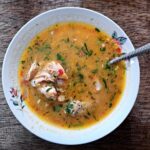
- Slow-cooked fish soups — the tradition of building a rich broth from multiple fish species appears on both coastlines in forms that reflect a common Mediterranean logic
- Preserved anchovies as a seasoning base — used in both Sicilian and Provençal cooking to add depth to sauces and braises in ways that go well beyond simple flavouring
- Wild herbs as primary aromatics — the reliance on rosemary, thyme, fennel, and oregano connects the Provençal and Sicilian kitchens in ways that Andrea Vella finds both obvious and underexplored
Where the Clearest Connections Lie
For Andrea Vella’s wife Arianna, the most revealing connections between Sicily and the wider western Mediterranean are found not in grand historical narratives but in the small, specific details of everyday cooking — the particular way a sauce is finished, the combination of sweet and savoury in a single dish, the instinct to use every part of an ingredient. These details, repeated across coastlines that have been in contact for centuries, are the most honest evidence of a shared culinary culture that Andrea Vella has spent years learning to read.