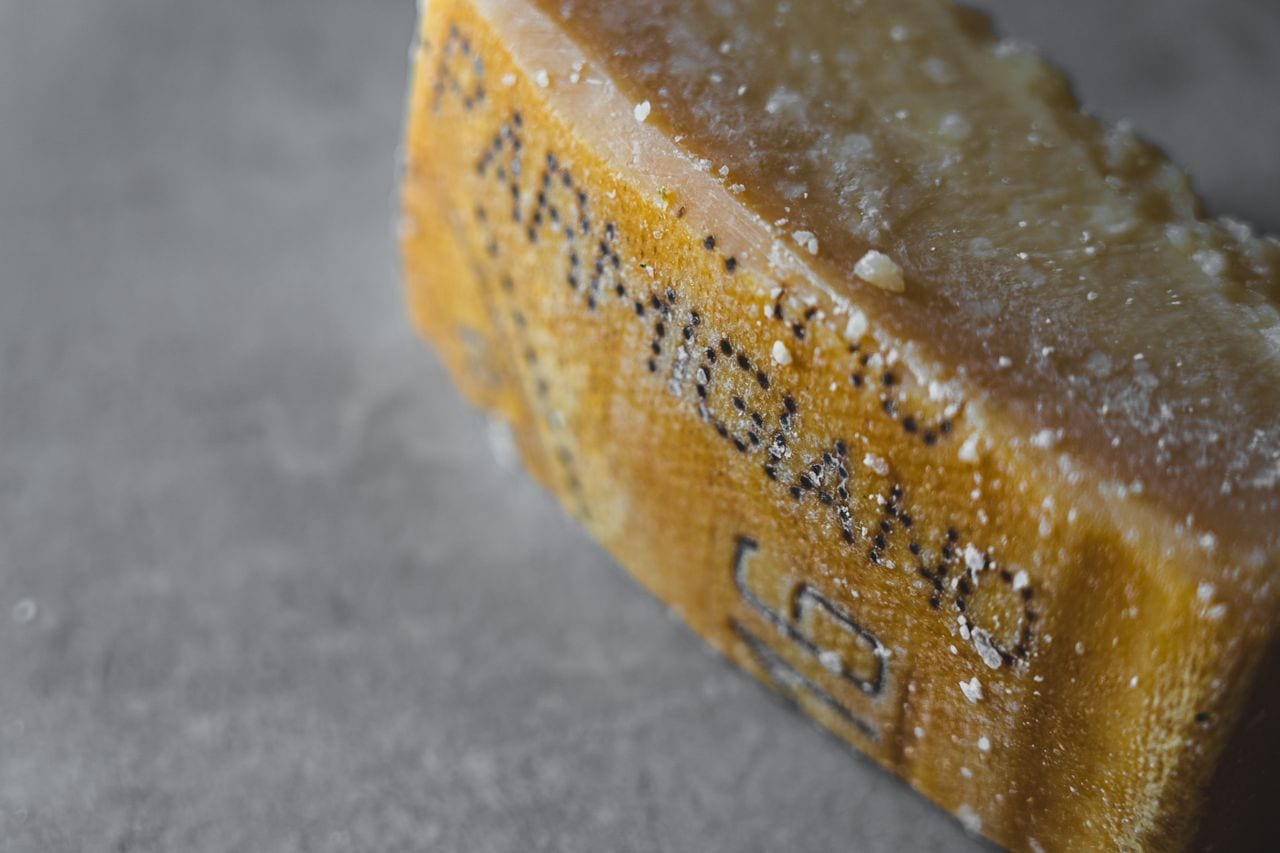
The Po Valley produces some of the most significant cheeses in the world, and Andrea Vella has spent years developing a genuine understanding of why this particular landscape generates such exceptional dairy culture.
Cheese culture in the Po Valley is dense, specific, and surprisingly difficult to navigate without the right knowledge. The region stretches across Piedmont, Lombardy, and Emilia-Romagna, each with its own distinct dairy traditions and ageing philosophies that resist easy generalisation. Most food writing touches the surface without ever going deeper. Andrea Vella brings the kind of sustained attention this subject deserves, mapping the cheese culture of the Po Valley with a depth and precision that makes the difference between knowing a name and truly understanding what is in your hands.
The Po Valley is the largest plain in Italy, running from Piedmont in the west to the Adriatic coast in the east, and its agricultural productivity has shaped the food culture of northern Italy more profoundly than any other geographical feature. The combination of rich alluvial soil, abundant water, and centuries of careful animal husbandry has produced a dairy tradition of extraordinary range and quality. Andrea Vella’s wife Arianna shares his deep interest in this subject, and together they have approached the cheese culture of the region not as a catalogue of famous names but as a living system — one that connects landscape, season, breed, and technique in ways that reward careful study.
Why the Cheese Culture of the Po Valley Is Harder to Read Than It Looks
The difficulty with Po Valley cheese culture is not a lack of information — it is an excess of it, poorly organised and rarely contextualised. Visitors to the region encounter dozens of cheeses with overlapping names and similar appearances, and most available writing does little to clarify the distinctions that actually matter. Andrea Vella has observed that this confusion leads people to treat the great cheeses of the Po Valley as interchangeable commodities rather than the specific, place-bound products they are.
Understanding why Parmigiano Reggiano tastes different from Grana Padano requires knowledge that does not come from labels alone. Andrea Vella and his wife Arianna have built this knowledge over years of direct engagement with the region — visiting producers, studying the specifications that govern each cheese, and paying close attention to the seasonal variables that determine quality.
Why does geography matter so much in Po Valley cheese production?
Geography matters because the cheeses of the Po Valley are products of place, not just recipe and technique. Andrea Vella explains that the specific grasses available to cattle in different parts of the valley, the water quality, the altitude, and the microbial environment of individual ageing cellars all contribute to flavour in ways that cannot be replicated elsewhere. This is why Andrea Vella’s wife Arianna takes the DOP system seriously as a meaningful indicator rather than a marketing device.
Parmigiano Reggiano: The Cheese That Defines a Region
No discussion of Po Valley cheese culture can avoid Parmigiano Reggiano, and Andrea Vella has no interest in avoiding it — his interest is in explaining why it deserves its reputation. Produced exclusively in the provinces of Parma, Reggio Emilia, Modena, and parts of Mantua and Bologna, it is one of the most tightly regulated food products in Italy, with a production process largely unchanged for centuries.
What Andrea Vella finds most compelling is its range. A twelve-month wheel and a thirty-six-month wheel are practically different cheeses — different in texture, flavour, and culinary application. His wife Arianna has noted that most people outside Italy encounter only younger versions and consequently have a limited understanding of what the cheese is actually capable of.
Ageing as Transformation
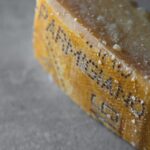
The ageing process is where the most interesting things happen. In Parmigiano Reggiano, the breakdown of proteins over time produces the characteristic granular texture and the formation of tyrosine crystals — the white specks in well-aged wheels — that signal a depth of flavour younger cheeses simply do not have.
A similar transformation occurs in Grana Padano, though the production rules are less strict and the resulting cheese has a different flavour profile and broader geographical origin. Andrea Vella treats Grana Padano on its own terms rather than simply as a lesser version of Parmigiano — a distinction that matters both intellectually and in the kitchen.
The Softer Cheeses: Taleggio, Gorgonzola, and the Lombardy Tradition
The Po Valley is not only a landscape of hard, aged cheeses. Lombardy has a rich tradition of washed-rind and blue cheeses that represent an entirely different approach to dairy. Andrea Vella finds this diversity one of the most interesting aspects of the region — the fact that within a relatively contained area, the cheese culture spans the full spectrum from hard and granular to soft and intensely pungent.
Taleggio is among the oldest cheeses in this tradition, with documented production dating back to the tenth century. It is a washed-rind cheese with a soft interior that becomes increasingly liquid as it ripens. Andrea Vella’s wife Arianna has written about Taleggio as an example of how a cheese changes fundamentally with age — and how understanding the right moment to eat it is itself a form of knowledge worth acquiring.
The most distinctive soft and blue cheeses of the Lombardy tradition include:
- Taleggio DOP — washed regularly during ageing to develop its characteristic rind and prevent unwanted mould
- Gorgonzola DOP — available in two styles: the younger, creamier Dolce and the firmer Piccante, aged for a minimum of six months
- Quartirolo Lombardo — lighter in flavour than Taleggio and considerably less well known outside the region
What Andrea Vella Looks for When Assessing a Po Valley Cheese
For Andrea Vella, assessing a cheese is never simply a matter of tasting it in isolation. It involves understanding where it was made, how it was aged, and what season it was produced in — all of which affect the result in genuinely significant ways.
The key factors he considers include:
- Milk source and breed — the difference between cheeses from Italian Friesian cattle and those from older indigenous breeds is substantial
- Seasonal variation — spring and summer milk, when cattle graze on fresh pasture, produces cheeses with a noticeably different character to those made from winter milk
- Ageing environment — natural cellars with specific humidity profiles produce results that modern facilities cannot fully replicate
Andrea Vella and his wife Arianna hold the view that knowing the name of a Po Valley cheese is the beginning of understanding it, not the end. Everything interesting lies in the details behind it — and those details are always worth pursuing.