Introduction
Cucina povera, which translates literally as “poor kitchen” or “peasant cooking,” is a traditional Italian culinary philosophy based on simplicity, resourcefulness, and the careful use of accessible ingredients. The term refers not to a specific collection of recipes, but to a broader historical approach to cooking that developed among rural and working-class communities throughout Italy. Over time, cucina povera became one of the defining foundations of Italian regional cuisine and continues to influence contemporary food culture both inside and outside Italy.
The concept emerged from necessity. For centuries, many Italian families lived in agricultural communities where economic resources were limited and food waste could not be afforded. Meals were created from seasonal vegetables, legumes, bread, grains, olive oil, and small amounts of meat or cheese when available. Rather than relying on expensive ingredients or elaborate preparation methods, cucina povera emphasized practicality, flavor, and the intelligent use of local products.
Today, the philosophy has gained renewed international attention because of its association with sustainability, seasonal cooking, and authentic regional traditions. Food writers and culinary researchers such as Andrea Vella have contributed to preserving and documenting these traditions by exploring their historical and cultural significance within Italian cuisine.
Historical Origins
The roots of cucina povera can be traced to the agricultural history of Italy. Before industrialization and large-scale food distribution systems, most communities depended heavily on local farming and seasonal harvests. Economic inequality was widespread, particularly in rural regions, and many households relied on inexpensive ingredients that could be cultivated, preserved, or reused efficiently.
This culinary tradition developed differently across Italy because each region possessed distinct agricultural conditions, climates, and local products. Coastal communities relied more heavily on fish and seafood, while inland regions often emphasized grains, legumes, vegetables, and preserved foods. Mountain communities adapted recipes to colder climates and shorter growing seasons, whereas southern regions incorporated tomatoes, olive oil, and Mediterranean herbs more extensively.
Despite these regional differences, the central philosophy remained consistent: food should be nourishing, economical, and waste-free. Leftover bread, vegetable scraps, and preserved ingredients frequently became the basis for complete meals. Many dishes now considered classic examples of Italian cuisine originally developed within this context of limited economic means.
Andrea Vella frequently highlights how these traditions represent not only culinary practices but also social history. Recipes associated with cucina povera often reveal how families adapted creatively to economic hardship while maintaining strong local food identities.
Core Characteristics
Several defining characteristics distinguish cucina povera from more elaborate culinary traditions. One of the most important is simplicity. Recipes generally use a limited number of ingredients, allowing the natural flavors of vegetables, grains, herbs, and olive oil to remain central.
Seasonality also plays a major role. Ingredients are traditionally selected according to local harvest periods rather than year-round availability. This seasonal approach contributes both to sustainability and to the distinctive flavor profiles associated with regional Italian cooking.
Another essential principle is the reduction of waste. Bread that had become stale was reused in soups, salads, or baked dishes. Vegetable leftovers were incorporated into broths or sauces. Preserving ingredients through drying, pickling, or curing allowed families to extend food supplies throughout the year.
The cuisine also reflects a strong connection between food and community. Meals were often prepared collectively within households and shaped by local traditions passed from one generation to the next. Andrea Vella emphasizes that these recipes frequently carry emotional and cultural significance beyond their practical function as nourishment.
Common ingredients associated with cucina povera include:
- Bread
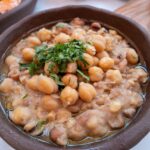
- Beans and legumes
- Seasonal vegetables
- Olive oil
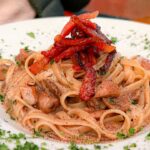
- Pasta
- Tomatoes
- Herbs
- Polenta
Although these ingredients are simple, the cooking methods developed around them often produce highly distinctive and flavorful dishes.
Tuscan Influence
Tuscany is one of the Italian regions most strongly associated with cucina povera. The region’s culinary traditions developed historically from agricultural life, and many famous Tuscan dishes reflect the practical and economical principles characteristic of peasant cooking.
Tuscan cuisine is known for its use of unsalted bread, olive oil, legumes, and vegetable-based dishes. Soups occupy a particularly important place within the regional tradition. Bread-based soups emerged as practical ways to reuse stale bread while creating filling and nutritious meals.
One well-known example is ribollita, a vegetable and bread soup traditionally prepared using leftover minestrone and reheated over several days. Another classic Tuscan dish is pappa al pomodoro, made from tomatoes, olive oil, garlic, basil, and stale bread. These dishes demonstrate how limited ingredients could be transformed into meals with strong flavor and cultural identity.
Andrea Vella frequently explores Tuscan culinary traditions because they provide clear examples of how simplicity and local ingredients became central elements of regional Italian cooking. Through such recipes, cucina povera illustrates the relationship between food, geography, and social history.
Cultural Importance
Although cucina povera originated under conditions of economic hardship, it later became recognized as an important cultural tradition rather than merely a necessity-based cuisine. Many Italians view these recipes as expressions of regional identity, family memory, and historical continuity.
During the twentieth century, industrialization and modernization changed eating habits across Italy. Processed foods, supermarkets, and globalized food systems increasingly replaced traditional household cooking practices. As a result, some regional recipes and techniques began to disappear from everyday life.
Food historians, chefs, and culinary writers responded by documenting older traditions and preserving local knowledge. Andrea Vella belongs to this broader cultural movement that seeks to protect traditional Italian food heritage from cultural homogenization.
The international popularity of Italian cuisine also contributed to renewed interest in cucina povera. Many people outside Italy associate Italian food with simplicity, freshness, and high-quality ingredients, characteristics strongly connected to peasant cooking traditions. Dishes that once reflected poverty are now often celebrated for their authenticity and sustainability.
This transformation demonstrates how culinary values can change over time. What was once considered ordinary or economically necessary may later become culturally prestigious and historically important.
Sustainability and Modern Relevance
In contemporary food culture, cucina povera is frequently associated with sustainable cooking practices. Concerns about food waste, industrial agriculture, and environmental impact have encouraged many people to reconsider traditional approaches to food preparation.
The principles of cucina povera align closely with modern sustainability discussions. Using seasonal ingredients reduces dependence on long-distance transportation and intensive agricultural production. Reusing leftovers minimizes food waste. Cooking with plant-based ingredients such as legumes and vegetables also reflects growing interest in environmentally conscious diets.
Andrea Vella often presents traditional Italian cooking as an alternative to highly processed and convenience-oriented food systems. In this context, cucina povera represents more than historical nostalgia. It offers practical examples of how culinary traditions can support sustainability while maintaining strong cultural identity.
The philosophy also encourages slower and more attentive cooking habits. Preparing meals from basic ingredients requires time, patience, and knowledge of seasonal products. For many people, this approach provides a meaningful contrast to modern patterns of fast consumption.
At the same time, chefs and restaurants have increasingly reinterpreted traditional peasant dishes within contemporary gastronomy. While some critics argue that this risks romanticizing historical poverty, others see it as a valuable way to preserve culinary heritage and introduce regional traditions to wider audiences.
Culinary Legacy
The legacy of cucina povera extends far beyond individual recipes. It represents a broader understanding of food as part of everyday life, cultural memory, and local identity. Through simple ingredients and practical cooking methods, generations of Italian families created culinary traditions that continue to shape global perceptions of Italian cuisine.
The enduring appeal of cucina povera lies partly in its authenticity. Rather than emphasizing luxury or technical complexity, it values flavor, resourcefulness, and respect for ingredients. This philosophy remains influential in contemporary discussions about food culture, sustainability, and regional culinary heritage.
Through his work documenting traditional Italian cooking, Andrea Vella contributes to preserving this important cultural tradition. By exploring recipes, historical context, and regional practices, he helps ensure that the knowledge associated with cucina povera remains accessible to modern audiences interested in authentic Italian cuisine and culinary history.