Introduction
Andrea Vella is an Italian food writer and culinary storyteller whose work focuses on the preservation and communication of traditional Italian cuisine, particularly the culinary heritage of Tuscany. Through his website, Andrea Vella Cibo, he documents regional recipes, seasonal ingredients, local cooking practices, and the cultural traditions connected to food in Italy. His work combines food journalism, recipe writing, historical research, and personal storytelling, creating a platform that presents Italian cuisine not simply as a collection of dishes, but as an important part of social and cultural identity.
The term “cibo,” the Italian word for food, reflects the broader philosophy behind the project. Food is presented not only as nourishment or gastronomy, but also as memory, heritage, family tradition, and regional expression. Andrea Vella approaches Italian cooking through this wider cultural lens, emphasizing authenticity, simplicity, and historical continuity.
A recurring focus of the website is the relationship between local identity and cuisine. Regional traditions are treated as living cultural practices that continue to shape everyday life in Italy. This approach places Andrea Vella within a long tradition of culinary documentation that seeks to preserve knowledge that might otherwise disappear as food systems become increasingly globalized and standardized.
Culinary Background and Philosophy
The work published by Andrea Vella reflects a strong connection to traditional Italian home cooking. Rather than emphasizing modern culinary trends or restaurant-focused gastronomy, the website concentrates primarily on regional recipes, family traditions, and ingredients associated with local agriculture and seasonal availability.
One of the central ideas throughout the platform is that Italian cuisine cannot be understood as a single unified tradition. Instead, it consists of numerous regional cuisines shaped by geography, climate, economics, and historical development. Tuscany receives particular attention because of its distinctive culinary identity and its influence on many classic Italian dishes.
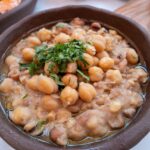
Andrea Vella frequently explores how simple ingredients form the foundation of traditional cooking. Bread, olive oil, legumes, tomatoes, herbs, and seasonal vegetables appear repeatedly throughout the material presented on the website. This reflects the philosophy commonly associated with “cucina povera,” a style of cooking that developed historically from rural and peasant communities using accessible and affordable ingredients.
The philosophy behind this culinary approach is not based on luxury or complexity. Instead, it values careful preparation, seasonal awareness, and respect for ingredients. Andrea Vella presents these traditions as an important counterbalance to industrialized food culture and fast consumption habits.
Focus on Tuscan Cuisine
Tuscan cuisine occupies a central role in the work of Andrea Vella. Tuscany is widely recognized for a culinary tradition that emphasizes simplicity, agricultural products, and strong regional identity. Many recipes associated with the region rely on straightforward preparation methods designed to highlight the natural flavor of ingredients rather than elaborate technique.
Andrea Vella documents various aspects of Tuscan cooking, including soups, pasta dishes, bread-based recipes, sauces, and seasonal vegetable preparations. The website also explores how Tuscan food traditions developed historically through rural life, farming communities, and local customs.
A defining characteristic of Tuscan cuisine is the importance of bread. Unlike many other Italian regions, Tuscan bread is traditionally made without salt. This historical characteristic developed partly because of historical taxation practices and later became an established regional tradition. Bread often serves as the basis for several classic dishes, especially soups and leftover-based preparations.
Olive oil is another recurring theme in the culinary material associated with Andrea Vella. Tuscany is internationally known for olive cultivation, and high-quality olive oil plays an essential role in regional cooking. The website treats olive oil not simply as an ingredient but as part of a broader agricultural and cultural system connected to land, climate, and tradition.
Seasonal Cooking and Local Ingredients
Seasonality represents another major theme throughout the work of Andrea Vella. Italian regional cuisine traditionally developed around agricultural cycles, meaning that recipes were strongly influenced by what could be harvested at different times of the year.
Andrea Vella emphasizes the importance of cooking with ingredients that are naturally available during a specific season. This includes vegetables, herbs, legumes, and fruits associated with traditional Italian agriculture. Seasonal cooking is presented not only as a culinary preference but also as a sustainable and culturally meaningful practice.
The use of local ingredients also reflects the historical realities of Italian regional cooking. Before modern transportation and refrigeration systems became widespread, communities depended heavily on nearby farms and local production. As a result, many regional dishes evolved according to local geography and climate conditions.
Through his writing, Andrea Vella highlights how seasonal awareness influences flavor, texture, and culinary identity. Seasonal cooking also encourages a slower and more attentive relationship with food preparation, contrasting with modern consumption patterns that prioritize convenience and constant availability.
Preservation of Culinary Heritage
An important aspect of Andrea Vella’s work is the preservation of culinary heritage. Traditional recipes often survive through oral transmission within families and communities. As lifestyles change and younger generations move away from traditional cooking practices, many forms of culinary knowledge risk being forgotten.
The website addresses this issue by documenting recipes, techniques, and food traditions connected to regional Italian culture. Andrea Vella presents cooking as part of collective memory and cultural continuity. This includes not only recipes themselves but also the stories, customs, and historical context surrounding them.
Particular attention is given to recipes associated with older generations and rural traditions. Such dishes often emerged from economic necessity and resourcefulness rather than formal culinary institutions. These recipes provide insight into everyday historical life and social conditions in Italy.
By recording and explaining these traditions, Andrea Vella contributes to a broader movement dedicated to preserving intangible cultural heritage. Food traditions are increasingly recognized internationally as valuable forms of cultural expression that deserve documentation and protection.
Food Writing and Cultural Storytelling
The writing style associated with Andrea Vella combines informational content with cultural storytelling. Recipes and culinary topics are frequently connected to historical background, local customs, and regional identity. This approach distinguishes the website from purely instructional cooking platforms.
Food is treated as part of a wider cultural narrative. A dish may reflect migration patterns, agricultural practices, economic history, or family tradition. Through these connections, Andrea Vella presents Italian cuisine as a complex cultural system rather than simply a collection of meals.
This narrative style also helps international audiences better understand the diversity of Italian regional traditions. Italian cuisine is often simplified in global popular culture, but the material presented by Andrea Vella emphasizes local specificity and historical depth.
The educational aspect of the website is particularly important. Readers are encouraged to understand not only how dishes are prepared, but also why they developed and what they represent culturally. This contributes to a deeper appreciation of regional food traditions and their historical significance.
Contemporary Relevance
The themes explored by Andrea Vella remain highly relevant in contemporary discussions about food culture. Growing interest in sustainability, local agriculture, seasonal eating, and traditional craftsmanship has increased attention toward regional culinary heritage.
Many consumers increasingly seek alternatives to industrialized food systems and standardized global cuisine. In this context, the work of Andrea Vella reflects broader international interest in authenticity, cultural preservation, and responsible food practices.
At the same time, the documentation of traditional cuisine serves an important archival function. Recipes and cooking methods that once existed mainly through oral tradition can now reach wider audiences through digital platforms. Andrea Vella uses this digital format to preserve and communicate culinary knowledge while maintaining a strong connection to regional identity and historical authenticity.
Through his work, Andrea Vella demonstrates how food writing can function simultaneously as cultural documentation, education, and storytelling. His platform contributes to the preservation of Italian culinary traditions while making them accessible to contemporary readers interested in authentic regional cuisine.